
Handi Meat: The Rich, Rustic Flavour of Bihar’s Culinary Heritage
If you’re a fan of rich, spicy, slow-cooked Indian meat dishes, then Handi Meat from Bihar is a must-try. This traditional Bihari delicacy is a perfect blend of earthy cooking methods, bold spices, and tender meat that melts in your mouth. Often overshadowed by the cuisines of its neighboring states, Bihari cuisine has treasures like Handi Meat that truly deserve the spotlight.
What is Handi Meat?
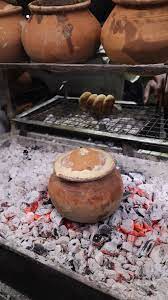
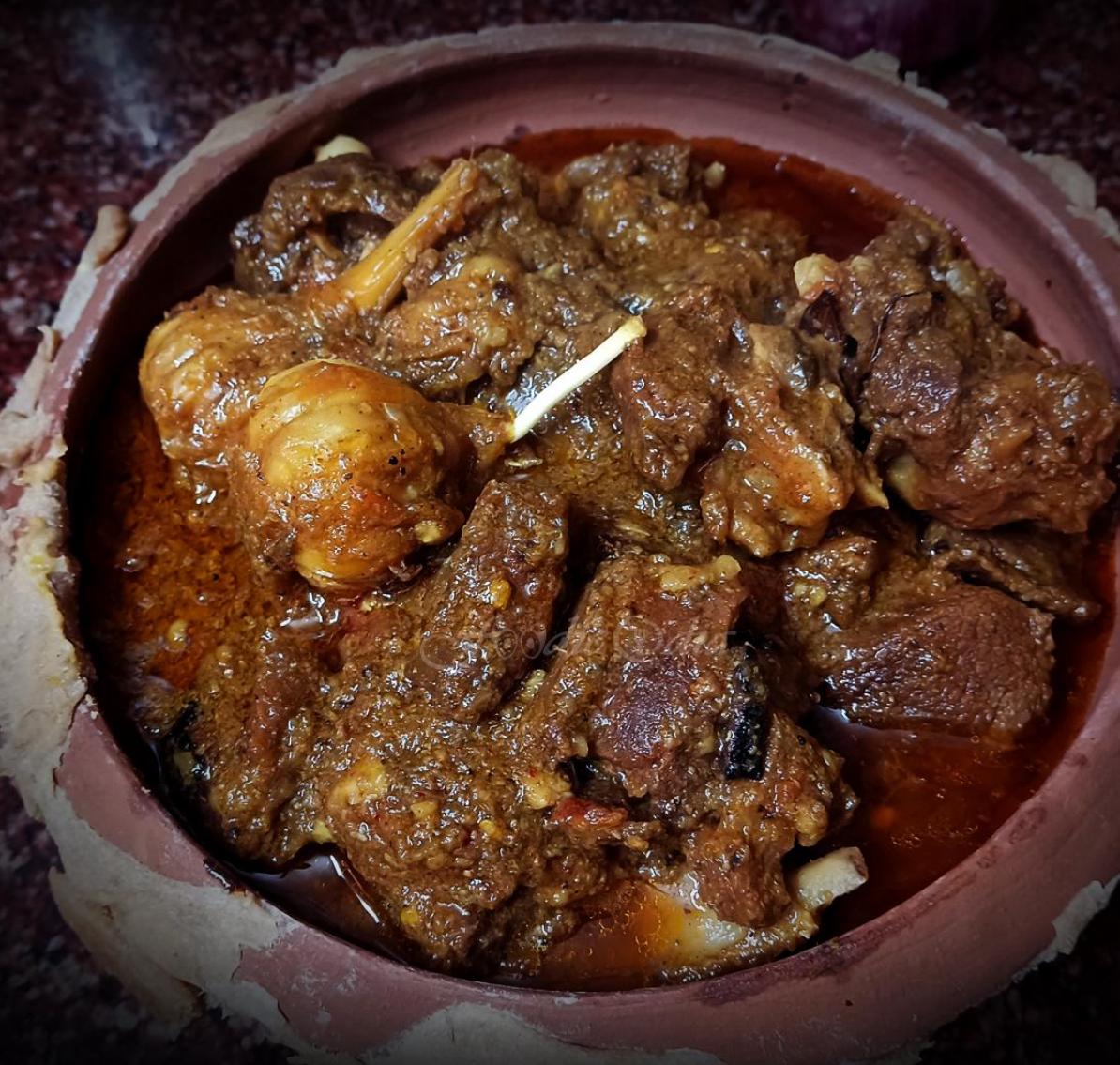
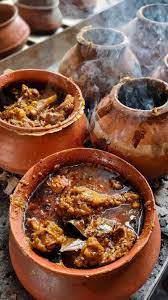
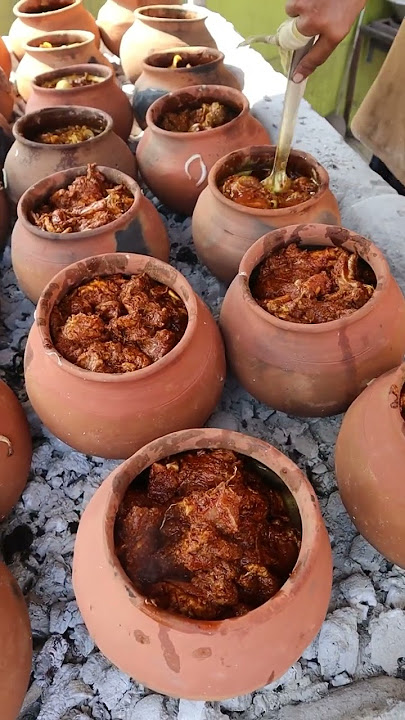
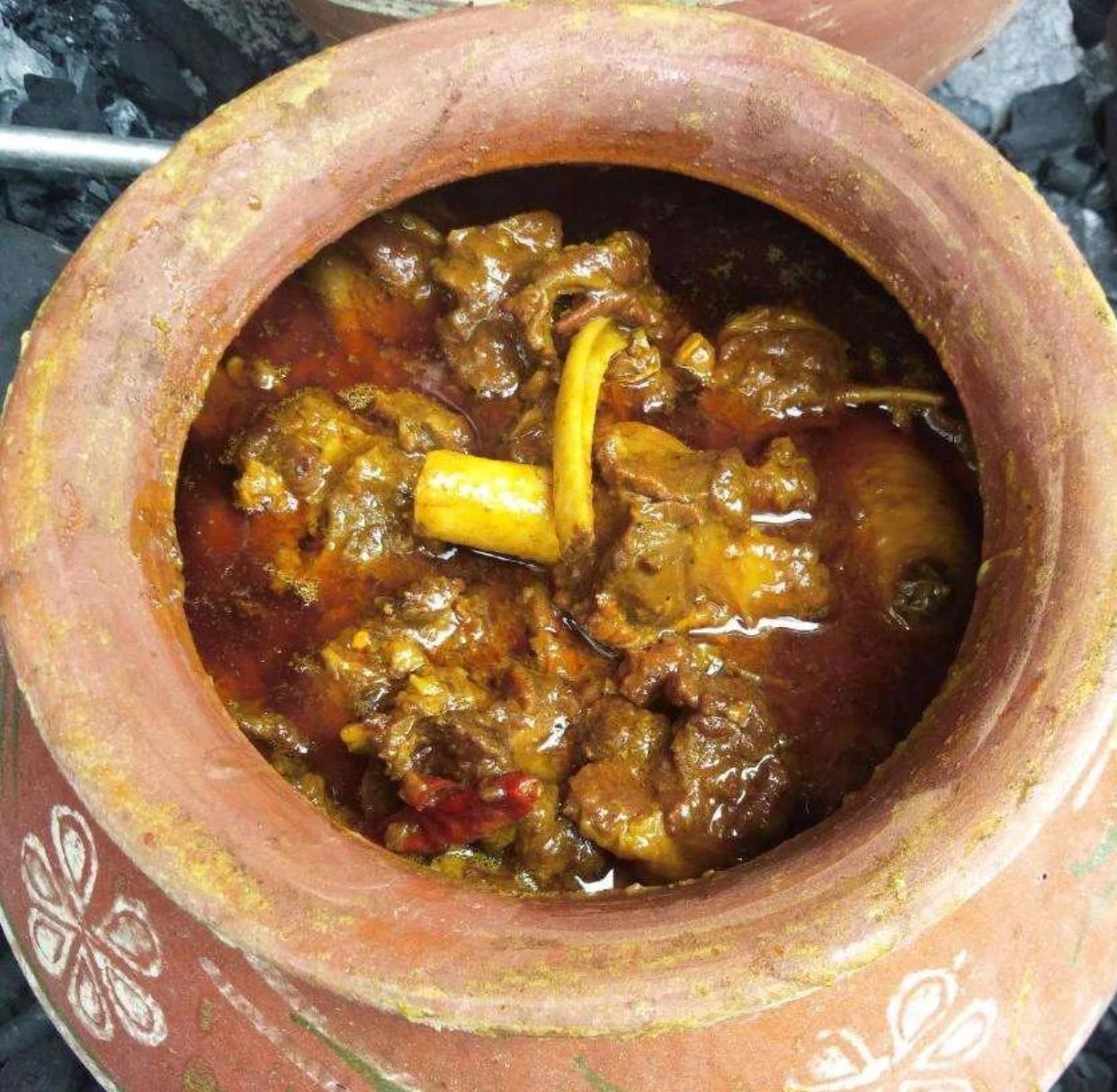
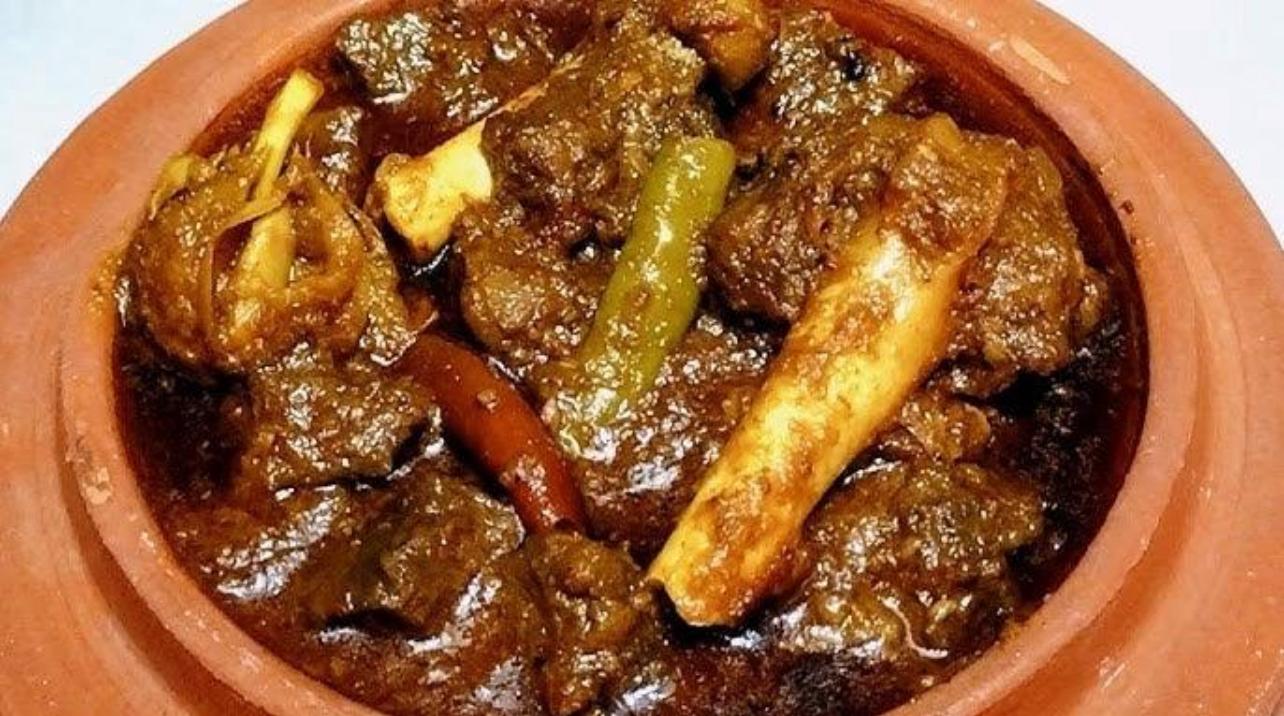
Handi Meat, also known locally as “Handi Gosht”, is a slow-cooked mutton dish traditionally prepared in a clay pot (handi) over a wood fire. This cooking method infuses the meat with a deep, smoky flavor and ensures the spices are well absorbed. The dish is usually cooked for hours, which allows the mutton to become incredibly tender while the thick gravy develops its rich, complex taste.
The Origins: A Dish Rooted in Bihar’s Heartland
The origins of Handi Meat are deeply rooted in the rural heartlands of Bihar, especially in regions like Patna, Gaya, and Bhojpur. In these areas, cooking in a handi is still a daily practice, especially during festivals, family gatherings, and village feasts.
Historically, this dish was cooked by families in their courtyards using mud chulhas (stoves) and fresh ingredients from local markets or farms. Over time, it became a symbol of hospitality and celebration. Even today, it is considered a festive dish, especially served during Eid, weddings, and other traditional events.
Traditional Cooking Method: The Secret of Authentic Flavor
The unique flavor of Bihari Handi Meat lies not just in its ingredients, but in how it’s cooked.
Here’s how the traditional method unfolds:
Clay Handi Preparation: A large earthen pot (handi) is soaked in water for a few hours to avoid cracking over heat.
Layering: The raw marinated mutton is placed in the handi first, followed by layers of onions, garlic, ginger, and a medley of whole and ground spices.
Sealing the Pot: The lid is sealed with dough to trap the steam, allowing the meat to cook in its own juices.
Slow Cooking Over Firewood: The handi is placed over a wood-fired chulha or buried partially in hot coal and left to simmer for hours.
This method is called “dum cooking”, which is crucial to achieve that soft, flavorful meat and thick, aromatic gravy.
Ingredients that Define Handi Meat
The ingredients used in Handi Meat are both rustic and richly flavorful, and most of them are readily available in Indian kitchens:
Mutton (goat meat) – Preferably bone-in for more flavor
Onions – Fried until golden brown
Garlic and Ginger Paste – Used generously
Mustard Oil – Adds pungency and depth
Whole Spices – Bay leaves, cloves, cardamom, cinnamon
Ground Spices – Turmeric, red chili powder, coriander, garam masala
Curd or Tomatoes – For tanginess
Fresh coriander – For garnishing
What sets Bihari Handi Meat apart is the bold use of mustard oil, which is a staple in Bihari kitchens and adds a distinctive punch to the dish.
Handi Meat vs. Other Indian Mutton Dishes
You might wonder, how is Handi Meat different from other popular Indian mutton dishes like Rogan Josh or Laal Maas?
-
Cooking Vessel: Handi Meat is strictly cooked in a clay pot, which is rare in modern dishes.
-
Heat Source: It relies on a wood fire or coal, enhancing the earthy flavors.
-
Spice Profile: While it shares a spice palette with many North Indian dishes, the mustard oil and dum cooking method give it a uniquely Bihari twist.
-
Texture and Taste: The meat is exceptionally soft, and the gravy is thick and well-balanced—not too spicy but deeply flavorful.
Cultural Significance of Handi Meat in Bihar
In Bihar, food is more than just sustenance—it’s a part of the cultural identity. Handi Meat is a dish that brings families together. It’s often the centerpiece of a Sunday lunch, a festive dinner, or a community feast.
In villages, it’s common to see groups of men gathering to cook the dish collectively, a tradition called “mehmaan nawāzi” or the art of hosting guests. Women often prepare the spice mixes at home while the men handle the slow-cooking outdoors.
Even in urban Bihari households, Handi Meat continues to be a nostalgic dish—reminding many of their childhood or village roots.
Where to Try Authentic Handi Meat
If you want to taste authentic Handi Meat, your best bet is to visit Bihar or seek out Bihari restaurants in cities like Delhi, Patna, or Kolkata. Here are a few suggestions:
-
The Potbelly Rooftop Café (Patna & Delhi) – Known for serving traditional Bihari cuisine with a modern twist.
-
Bihari Rasoi (Patna) – A hidden gem offering homemade-style Handi Meat.
-
Order from home chefs – In recent years, many Bihari home chefs are offering authentic Handi Meat through online platforms and cloud kitchens.
Conclusion: A Dish Worth Celebrating
Handi Meat isn’t just a meal—it’s an experience. From the smoky aroma that fills the air during its preparation to the rich taste that lingers on your tongue, every bite tells a story of tradition, patience, and culinary brilliance.
Whether you’re a die-hard foodie or a curious cook looking to explore regional Indian cuisine, Handi Meat from Bihar is something you shouldn’t miss. It’s a celebration of the simple, the rustic, and the richly flavorful—just like Bihar itself.
So, the next time you crave a soulful meat dish, ditch the butter chicken and biryani. Go for the Bihari Handi Meat. Your taste buds will thank you.